universal beauty
Asking the question: is there such a thing as universal beauty?
by Mawee Pornpunyalert
imagine:
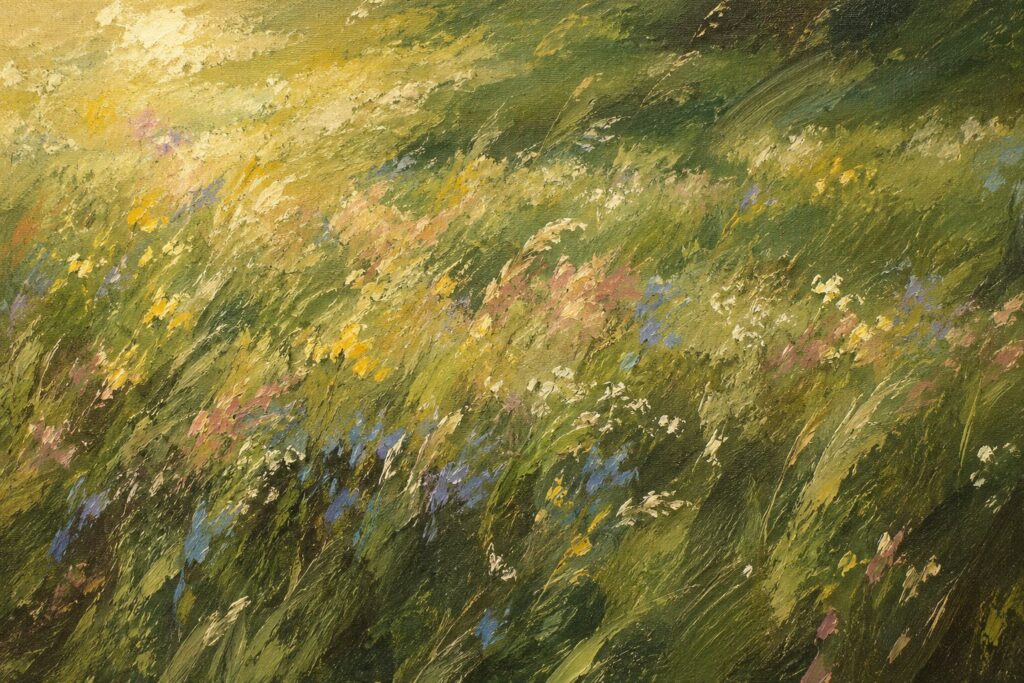
First light. A soft golden glow spilling over the grass field.
A gentle breeze passing through, bending the grass, one wave after another, dancing to the rhythm of the wind.
A low hum. Bees moving from flower to flower. Birds joining in, one voice, then another, each with its own tune. Somehow, they harmonise perfectly, as if they have rehearsed this before.
Just a morning unfolding.
The faint smell of damp soil. Wildflowers. Something earthy, something sweet.
Yellow, purple, pink, white. Flowers scattered across the field like splashes of paint. No particular order. No deliberate composition. Colours bleeding into one another.
A tiny droplet resting on a petal, catching the sunlight. A shade of glitter and rainbow.
If this isn’t beauty, then what is?
beauty in all forms
Humans have always been drawn to beauty. It’s woven into the fabric of our everyday lives, from the design of your coffee cup to the flooring of your apartment. Throughout history, beauty has inspired great works of art, shaped entire cities, and influenced the way societies see themselves. Some might even argue that beauty has started wars in the past, changing the course of mankind. But what is beauty exactly?
There is a saying: beauty is in the eye of the beholder. Now, is that true? Is there such a thing as universal beauty? Can something not be objectively beautiful? Can something not embody beauty itself even before we begin to interpret it? Or does it always have to pass through the filter of our personal lens, shaped by culture, society, biology, and experience?
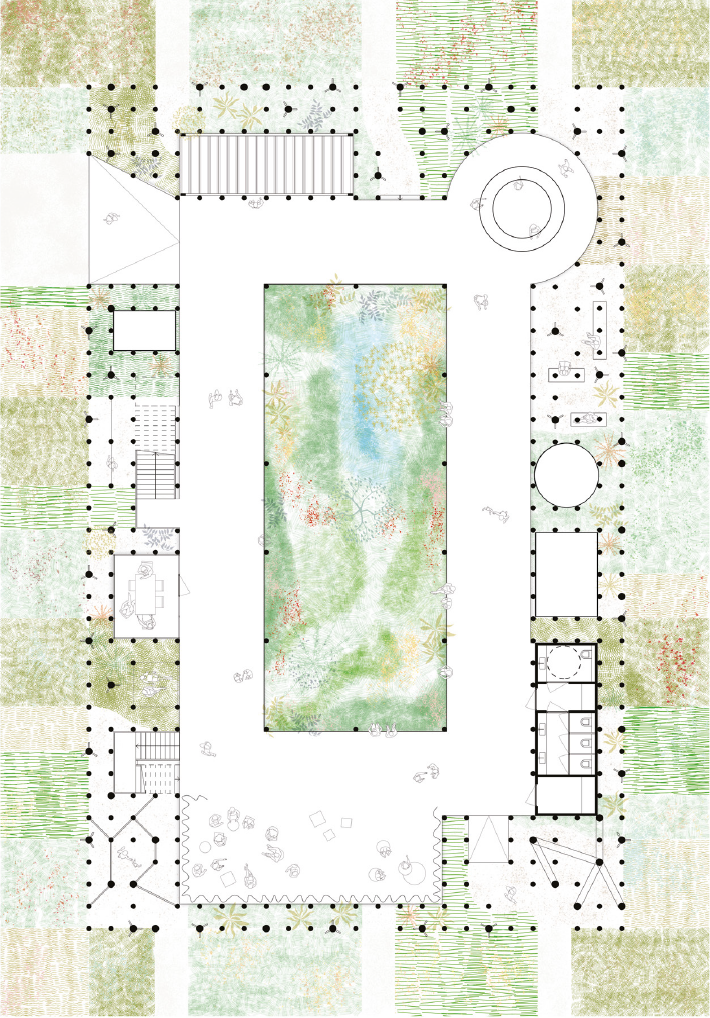
Our collective idea of beauty has changed over time. Victorian curves replaced by Instagram skinny. Skinny jeans to baggy jeans. Realistic paintings of fruit bowls to splashes of paint that somewhat resemble ripe fruit. Ornamental facades to clean, minimalistic glass facades. If you look closely enough, you’ll notice that we recycle beauty trends to reflect what is valued in society, or the rise of counterculture. What was once considered beautiful becomes outdated, only to return decades later under a different name.
If beauty is constantly changing, can anything truly be timeless?
Think of some of the most iconic works of art: Monet’s Water Lilies, Van Gogh’s Almond Blossom, Hokusai’s The Great Wave off Kanagawa. Different artists, different cultures, different artistic movements. Yet they share something fundamental: nature.
For centuries, artists have returned to landscapes, flowers, water, and the changing light, trying to capture something that is endlessly familiar but never quite the same.. Through the tip of their paintbrush, they try to emulate not just what nature looks like, but what it feels like to be in it.
Perhaps it’s because nature’s beauty is not static. It changes with the seasons, shifts with the light, and reveals something new each time we look. You don’t just see it, you feel it. The breeze against your skin, the smell of rain, the sound of leaves rustling above you. It is an experience that goes beyond the visual.
And perhaps this is where nature differs from so many beauty trends. While our ideas of what looks good may be shaped by culture and constantly reinvented by society, our relationship with the natural world runs much deeper. Humans evolved within nature, and we have a fundamental tendency to seek connection with it because our survival depends on it. We may disagree on the colours we like, the styles we wear, or the buildings we admire, but the experience of standing beneath a canopy of trees, watching sunlight glitter on water, or feeling the breeze on our skin can resonate with something shared across many of us.
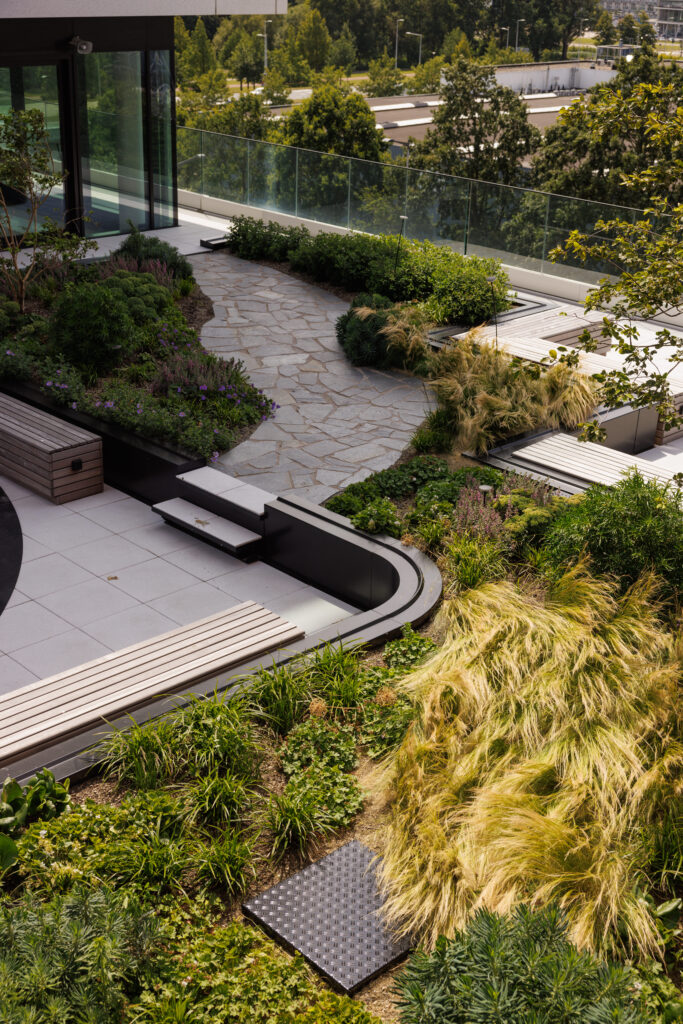
Maybe nature isn’t universally beautiful to everyone, and our responses to it are shaped by culture, memory, and experience too. But perhaps its universality doesn’t lie in a single definition of beauty. Perhaps it lies in its ability to reach us beyond trends, but through the experience of being alive.
In our previous blog post, we explored how designing for the senses can create multisensory, embodied experiences that connect us more deeply with the spaces around us. Read more about how we can design beyond the visual to create spaces that are felt, not just seen.