
green building framework
Bridging Policy and Practice in Green Building Certification
by Lauryn Burnes
How architects, designers, ecologists and consultants translate green building certification criteria into practice—and how practitioner insight can support their continued development.
green building certifications
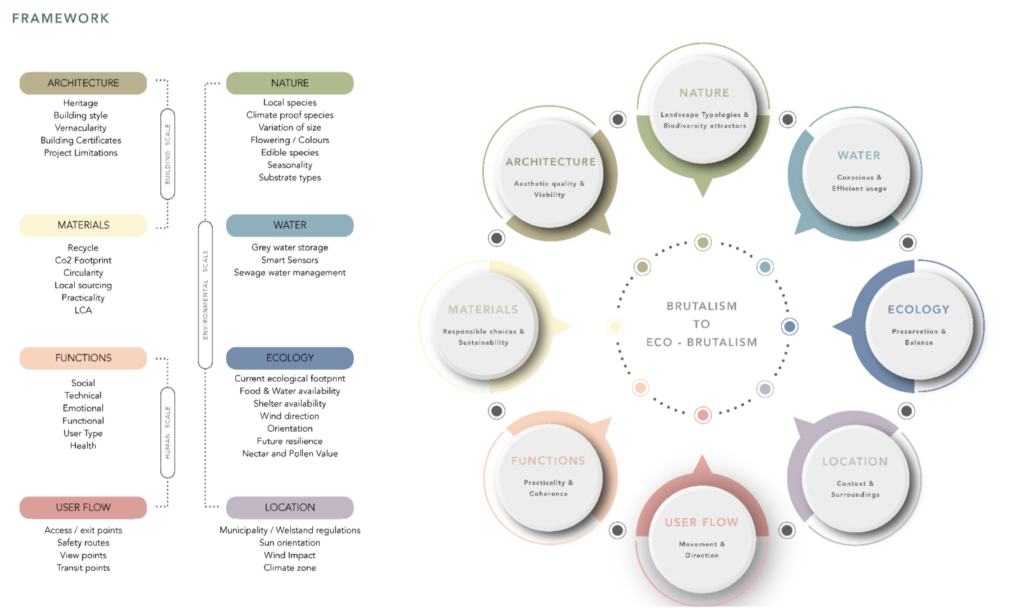
In recent decades, green building certifications have become essential tools for directing sustainable development in cities around the world. The most commonly used frameworks include BREEAM, LEED and WELL, which direct building projects in categories energy, water, materials, ecology and human health. This is done with the application of a checklist and measurable goals to ensure the building’s environmental performance.
green building certifications
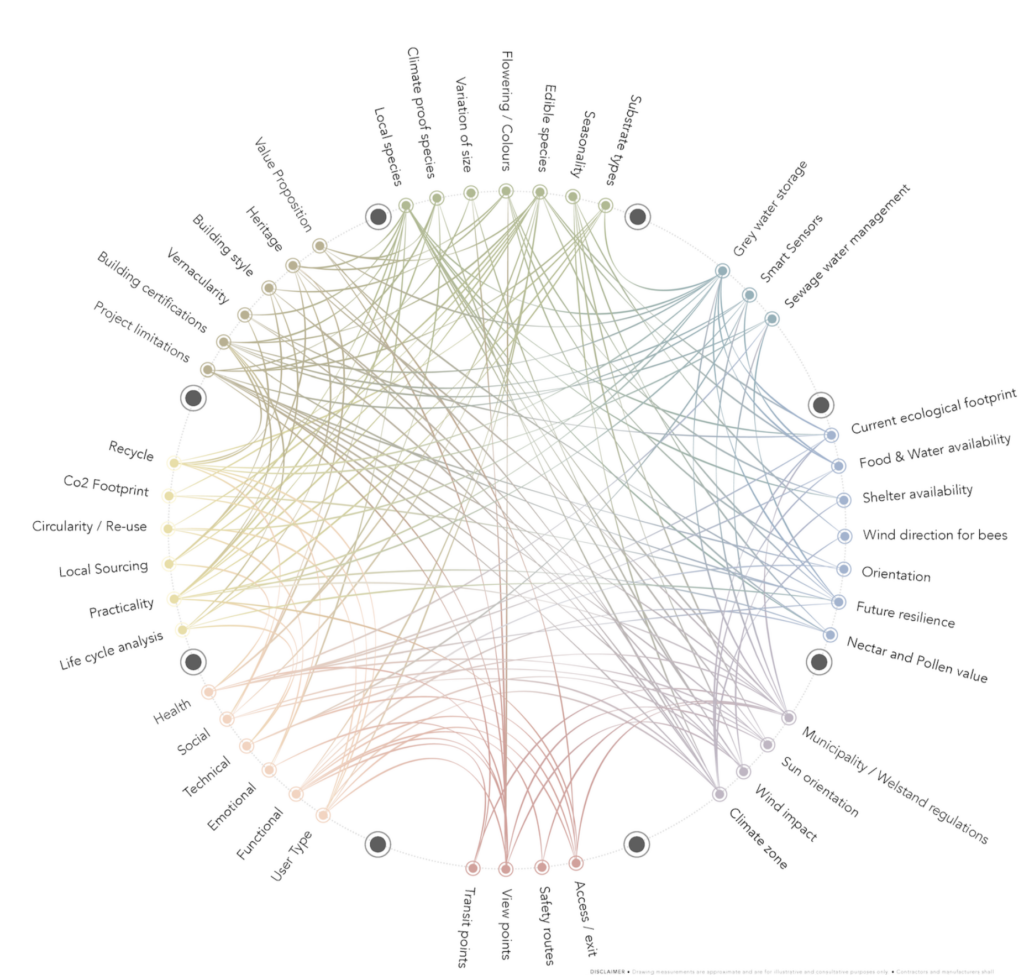
Due to the uniqueness of every building project — location, ecology, use, budget, development team— all parties involved play a part in the implementation of these frameworks. In translating a written sustainability framework into a complete, climate-friendly building, many professionals must interpret requirements and translate them into practical design decisions.
A recently written thesis for an MSc Environment and Research Management at Vrije Universiteit, in collaboration with MOSS, investigated this process in the Netherlands. Rather than asking whether green building certifications are valuable, the research examined how they are implemented and what can be learned from the professionals working with them. Findings suggest that, when informed by the expertise of designers, ecologists, architects, etc., green building certification framework provides supportive guidelines for sustainable development. However, the frameworks could benefit from more input from professionals, and with a more holistic approach to the unique aspects of each project.
the space between policy and practice
The research focused on BREEAM, LEED, WELL and municipal sustainability requirements used in the Netherlands. It combined three qualitative research methods: eight semi-structured interviews with green-building professionals, analysis of documents from two project case studies and a review of academic literature. Participants included green designers, architects, ecologists, consultants and design-firm professionals.
Interview and project material was coded in several rounds to identify patterns. The analysis looked for examples of interpretation, professional discretion, project constraints, negotiation and trade-offs in application of green building criteria. It then compared the themes found in interviews with those found in project documentation and existing research.
Limitations: The sample size was primarily connected to an Amsterdam-based professional network, and did not include every perspective, such as developers, contractors or investors. Findings should therefore be read as practice-based insights that can inform further dialogue and research.
Practitioners as active interpreters
To understand the role of professionals, the study used a theory of bureaucracy which states that, in practice, policy is only as effective as those implementing it. Applied to this study of green building criteria, this means that green building professionals use expert discretion when translating policy into action. Because every firm, business, and individual is unique, this results in interpretive implementation of green building criteria.
Architects and designers do not simply copy certification requirements into a design. Because design and architecture is so context-specific, they must interpret how criteria apply for a particular site, and how requirements can be met in accordance with feasibility— including budget, site limitations, and client requests. All parties involved must coordinate with other teams and make decisions within technical, financial and spatial limits.
These figures illustrate how beneficial it could be to green building criteria frameworks to include more input from all professionals involved in these projects, from ecologists to green designers to architects.
Three recurring implementation challenges
The analysis identified three themes that appeared frequently: trade-offs between sustainability goals, differences between standardised criteria and local conditions, and a risk that attention shifts from outcomes to point accumulation.
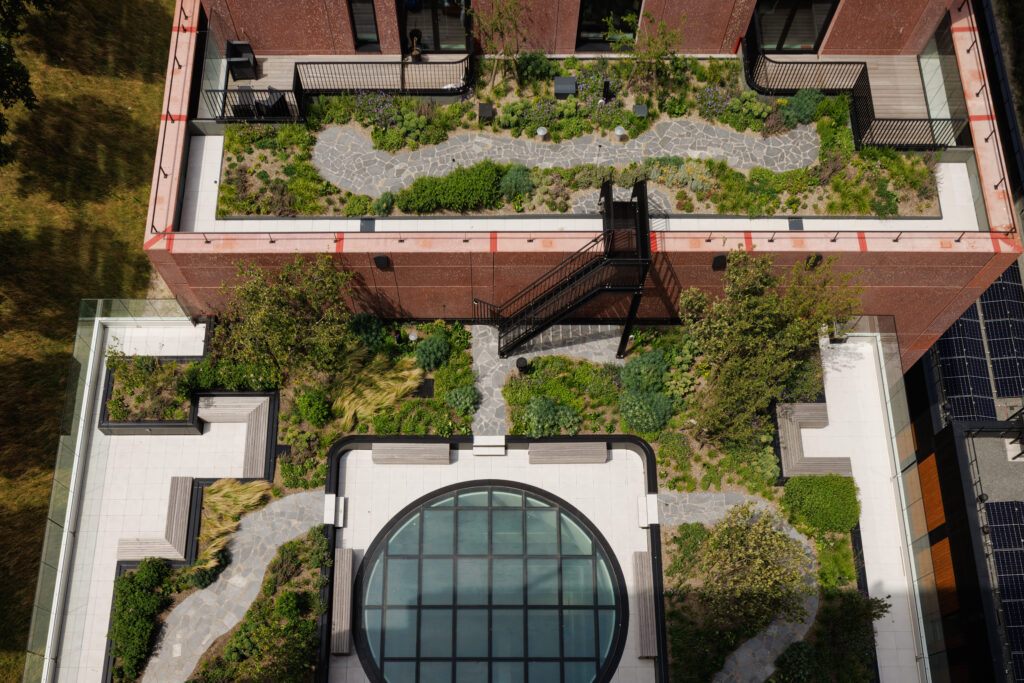
At times, different sustainability goals can compete for the same space or resources. A roof may need to support renewable energy, water storage, biodiversity, recreation and technical equipment. Soil depth may improve planting conditions but add weight and cost. A native planting strategy may need to be balanced with microclimate, maintenance and long-term resilience. Therefore, all parties involved must communicate how to divide and use resources and space. Green building certification framework helps bring these priorities to the table, but every project must determine how to combine them responsibly.
Morestill, standardisation and local ecology do not always align. Green building certifications use measurable criteria because it is essential for transparent and comparable assessment. At the same time, the ecological value of an intervention depends on site-specific elements, like the surrounding habitat, species distribution, soil, water and connectivity. A feature that is valuable on one site may contribute less on another. This makes early site analysis and collaboration with ecologists especially important.
Finally, any points-based system can create an incentive to focus on achieving individual credits. Certification frameworks are designed to make complex ambitions manageable, and scoring is part of what makes independent assessment possible. The research nevertheless highlights the value of continually connecting each measure to its intended environmental or social result. A credit is most meaningful when it also produces long-term value in use.
Conclusion
Green building certification plays an essential role in guiding the transition toward healthier, more resilient and environmentally responsible buildings. The research shows that its impact is realised through collaboration: frameworks establish ambitious, measurable goals, while practitioners translate them into site-specific decisions.
Recognising this interpretive work can help the building sector learn from implementation. Clear standards, professional judgement, local ecological knowledge can all contribute to enhanced frameworks. When these forms of knowledge are brought together, certification can continue to develop while retaining the consistency and credibility that make it valuable.
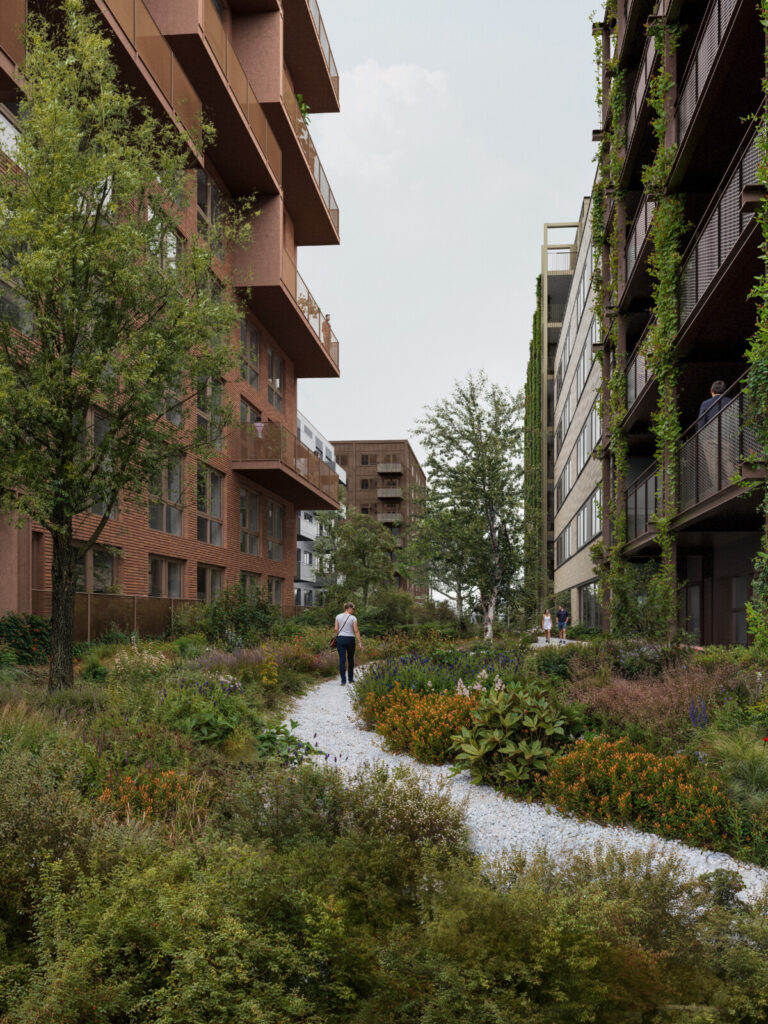
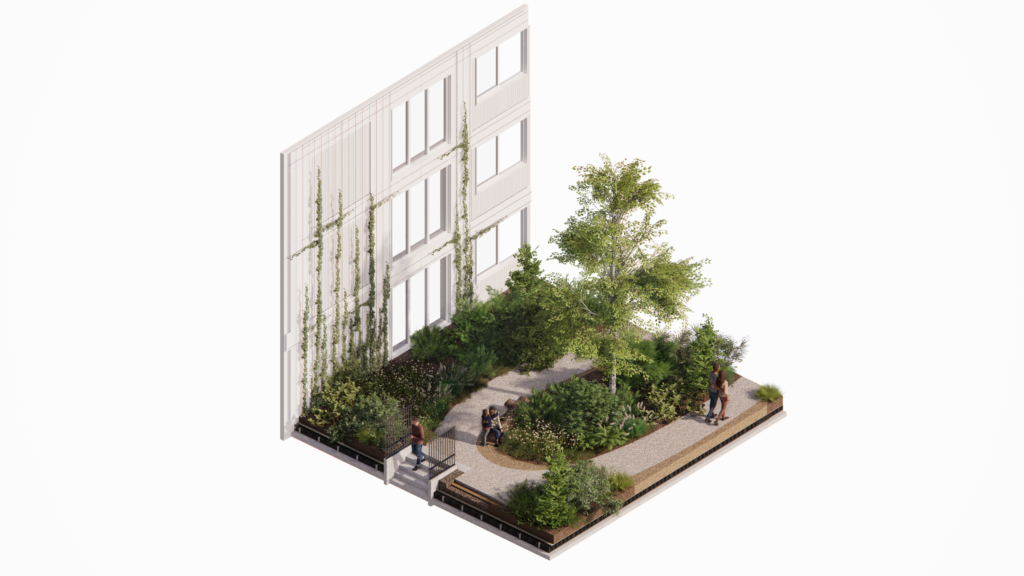
For MOSS, the central lesson is familiar: sustainable design works best as a living system rather than a collection of isolated measures. By connecting certification requirements with ecology, human well-being and the realities of place, project teams can move from individual green interventions toward coherent environments that support people and nature over time.