In addition to ants, there are other ecosystem engineers, animals that create structures much larger than themselves, such as termites or corals. These engineers can also be larger animals such as the beaver. The beaver is the best hydraulic designer with its gigantic dams made of tree trunks and stones. By setting up a habitat suitable for themselves, they influence the environment around them. The damming up of previously fast-flowing rivers causes swamp formation in places where this would never have occurred naturally. Trees can now grow here and attract other life forms such as birds and squirrels.
The redevelopment of the landscape has such an impact on the environment that it creates new niches for a whole range of other species. If the bevers wouldn’t build their dams, the big new range of tree formations and animals would never have grown and lived in that area. It is great to see that when change happens in the natural landscape, whether it is by accident or because ecosystem engineers expanding their territory, nature always finds a way to adapt.
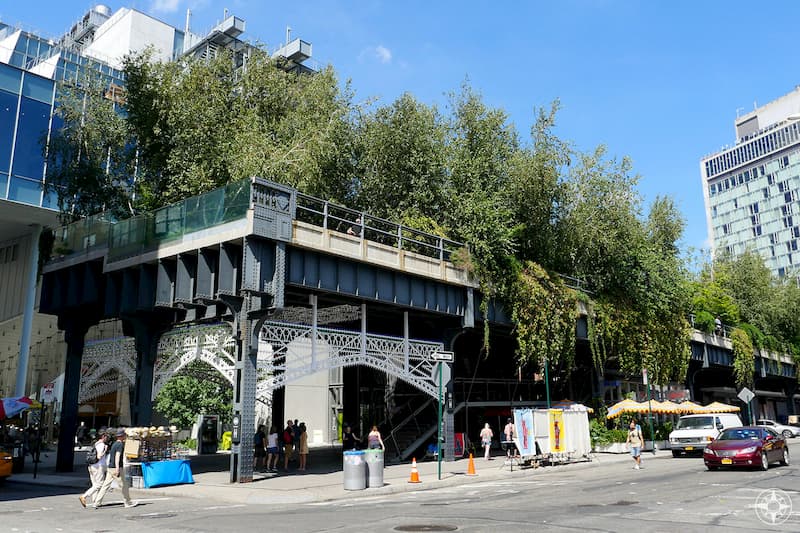
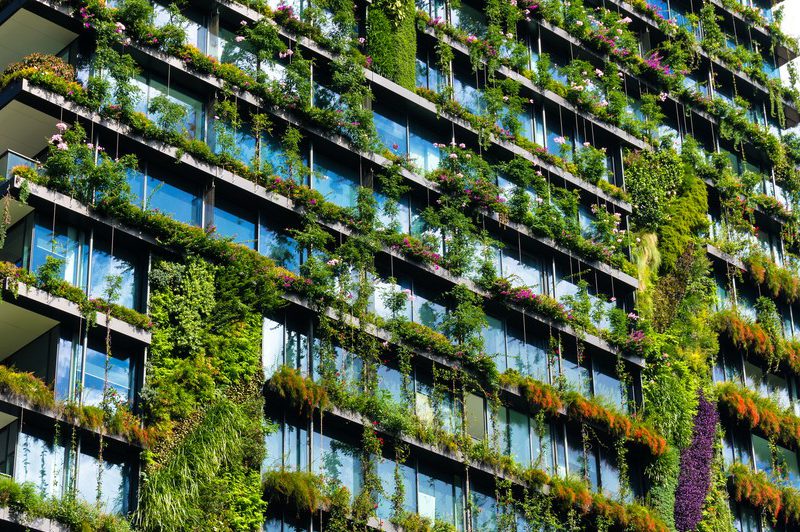
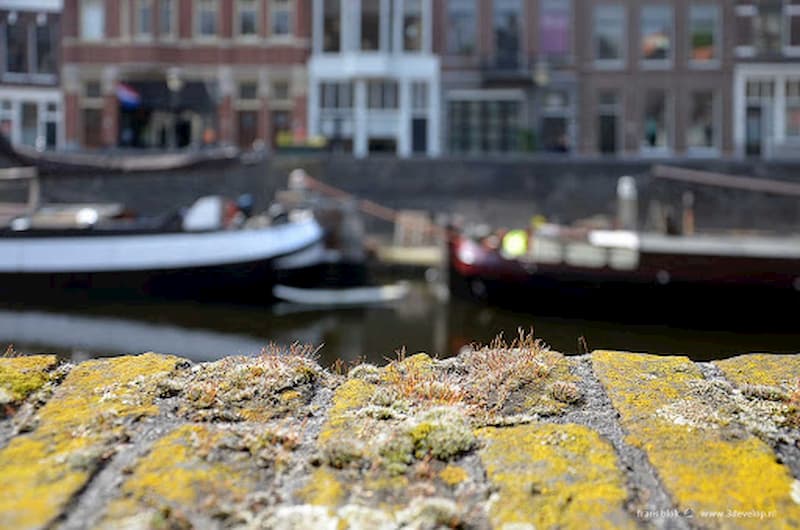
If we look at ourselves as ecosystem engineers we might wonder how it came to be that our actions invited other organisms to actually stay close to us instead of leaving the city. Cities are often looked at as ‘concrete jungles’ with far less flora and fauna than the countryside. But looks can be deceiving. If we look at the city as a man-made ecosystem urban ecologists actually find a very high level of biodiversity. This can be explained by a number of points: