
Nature inspired spces
creating multi-sensory spaces in the concrete jungle
by by Mawee Pornpunyalert
Cities are ‘hurting’ our brains
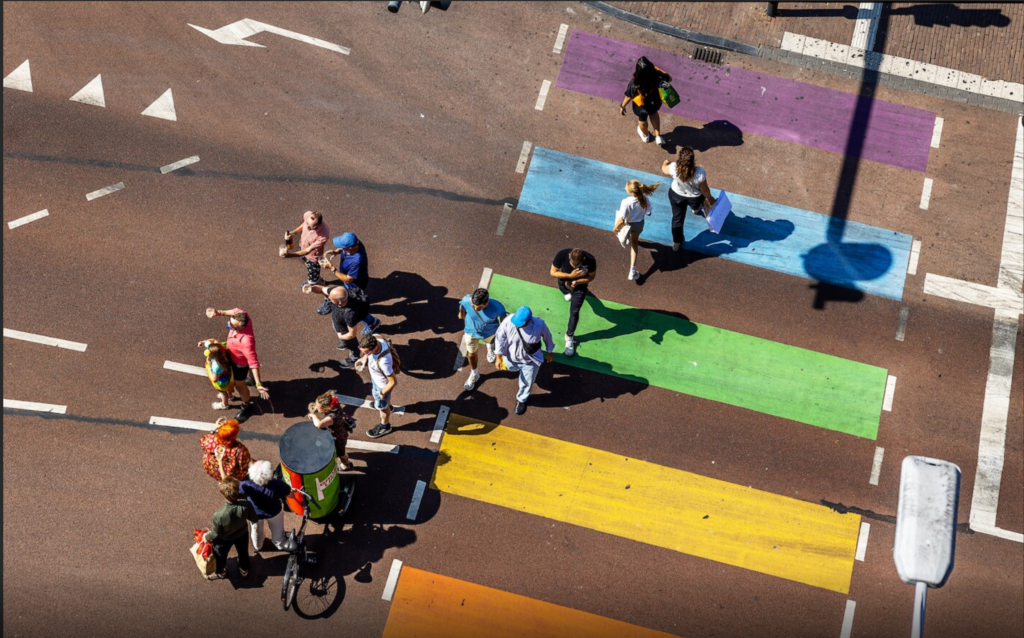
As urban dwellers, we all share similar experiences: have you ever felt that the fast pace, constant stimulus, crowds, noises, and pressure of city life often seem to set your brain on edge? Research has shown that ‘just being in an urban environment impairs our basic mental processes. After spending a few minutes on a crowded city street, the brain is less able to hold things in memory, suggesting that cities dull our thinking, sometimes dramatically’ (Lehrer, 2009).
Cities are a dense sensory environment bursting with stimuli that require us to constantly filter and redirect our attention. They are made up of ‘distinctive smells, sounds, and tastes, as well as visual and tactile stimuli, each needing interpretation’ (Spence, 2020). This sort of controlled perception takes major energy that even the mind which is a powerful supercomputer is limited (Lehrer, 2009)
Let’s talk some Sense(s)
We experience the world through our senses. Our mind and body experience the sensory-rich world through all our available senses- sight, sound, smell, touch, and taste. The senses operating through the body provide us with information about the world around us. Senses trigger and amplify one another to enrich our experience of space, and to orient us through ‘the sounds, smells, and shifting shadows’ (Lupton & Lipps, 2018). Our response to the environments that we are in is the result of ‘the combined influence of all the senses that are being stimulated, no matter whether we are aware of their influence or not’ (Spence, 2020).
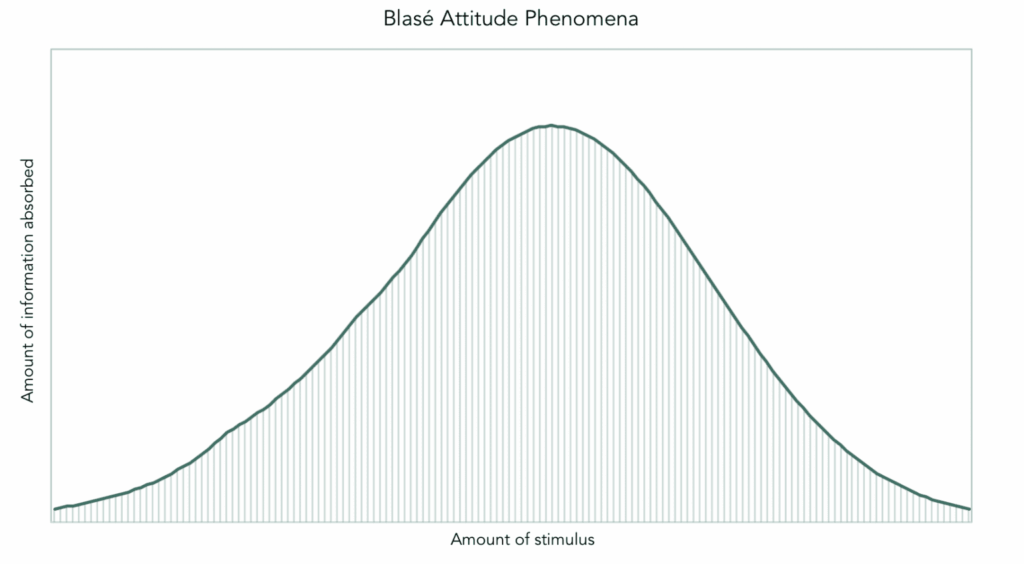
This sensorial-overloaded concrete jungle requires individuals to psychologically adapt to the urban environment which causes individuals to form the “blasé attitude” as a “protective organ” which is described as ‘an indifference to others and the cacophony of sights, sounds, and smells that constitute the urban environment’. The “blasé attitude,” is necessary because it would be impossible to take in, interpret, interact with and respond to all of the stimuli one encounters (Borer, 2013).
Create a safe space for yourself
Since most of us urban dwellers spend more than 95% of our lives indoors, we can curate an experience that positively stimulates the senses, and spaces that promote our social, cognitive, and emotional development, rather than hindering it.
“At our biological core is the desire to feel relaxed; it’s an essential need as a human” (Halnon, 2022).
Many studies have shown that city dwellers have higher levels of anxiety and mood disorders, and are more prone to mental disorders compared to their rural counterparts, as specific brain structures in people from the city and the countryside respond differently to social stress (Abbott, 2011). As stress is a major factor in precipitating psychotic disorders such as schizophrenia, this risk of suffering from schizophrenia is almost double among city dwellers (Abbott, 2011).
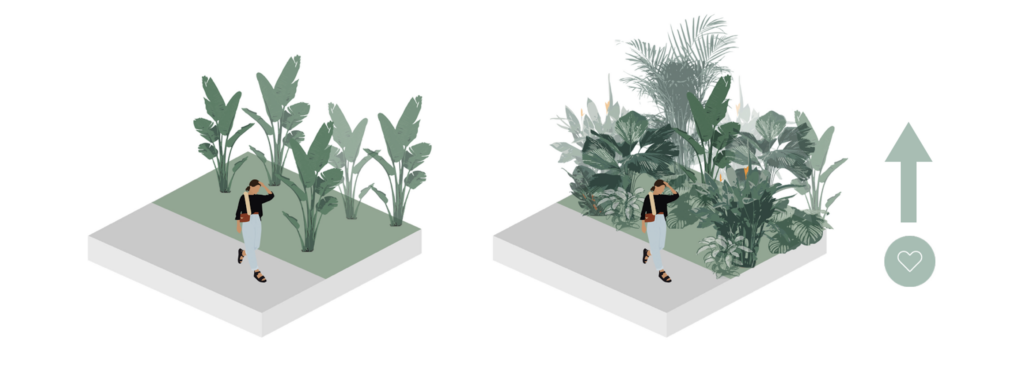
So does it mean that nature has less stimulus to the senses than a city environment? Well, that is not always the case. Nature is filled with diversity, surprises, changes, and motion, it is full of objects and beings that evoke our senses and capture our attention. And when it comes to nature, studies have shown that more sensory stimulation has an increased benefit for the human brain than those of less stimulations. Richard Fuller, an ecologist, ‘demonstrated that the psychological benefits of green space are closely linked to the diversity of its plant life’, where subjects who spent time in a park with a larger variety of trees score higher on various measures of psychological well-being when compared with the less biodiverse park (Lehrer, 2009).
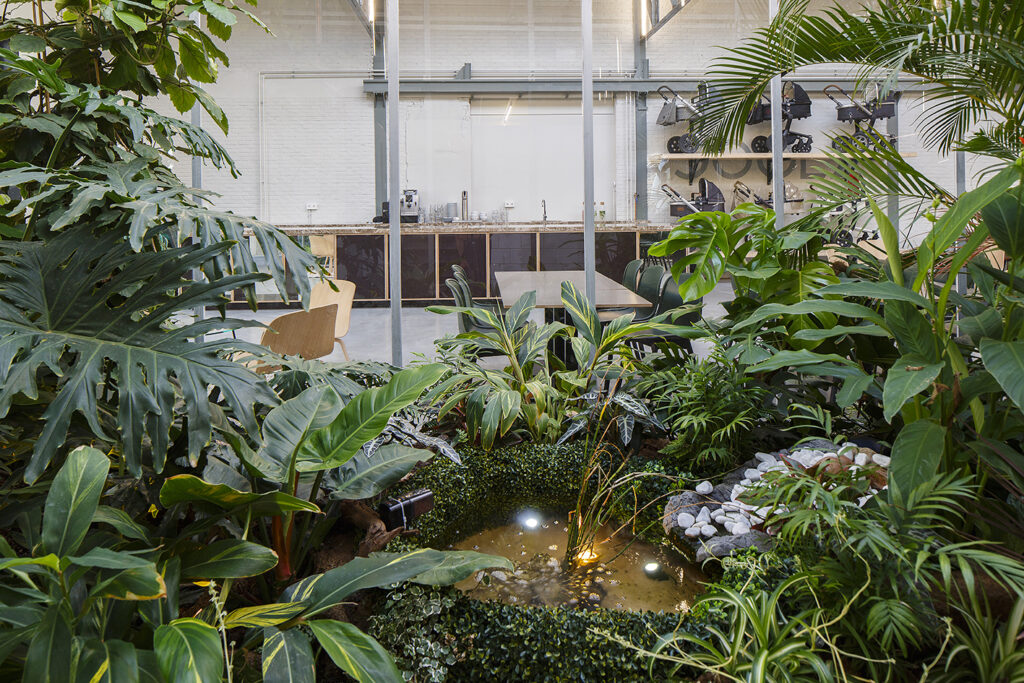
That is because It is important to stay connected to our senses and embrace the sensory richness and ambient variability of the world as ‘human satisfaction and well-being continues to be reliant on perceiving and responding to sensory variability’ (Heerwagen et al, 2013). Enriching our senses can enhance human physical, emotional, intellectual fitness, and is crucial to our maturation, productivity, and well being. Unlike the stimuli in an urban environment, most of those in nature do not trigger a negative emotional response. After all, the sound of Chaffinches singing is nothing like a car honking. So it is not about eliminating the stimuli in our environment, it is about finding ones that our senses and brain react positively to. So let us go into the ‘woods’ to find the ‘cure’ to our urban life struggles.
sight
Humans find comfort and safety in daylight, it enables us to visual surveillance in order to avoid possible threats. Daylight facilitates critical chemical reaction within human bodies which regulate circadian rhythms or body clock- synchronising the sleep and wake cycle which affects our ‘alertness, cognitive performance, and nighttime sleep’. Exposure to natural light suppresses the emission of melatonin which ‘reduces depression, increases daytime alertness, and fosters sleep quality’ (Heerwagen et al, 2013).
View of nature & stress reduction
It is in the human genes to ‘pay attention to, affiliate with, and respond positively to nature’ due to the need to adapt to nature for survival in the past (Heerwagen et al, 2013). The view of nature reduces negative emotions such as fear and anger while elevating positive feelings such as pleasantness. From an evidence based study, exposure to a sight of nature for three to five minutes can have a positive effect on stress, brain activity, blood pressure, heart activity, and muscle tension (Heer wagen et al, 2013).
Prospect / refuge & privacy
Prospect and refuge is “the ability to see without being seen” as referred to by Appleton (Appleton, 1996). Prospect is the visual access of ‘distant objects, habitats, and resources’ to identify danger or simply just to observe movements. While refuge refers to the ability of the structure to provide security and protection. Which in modern days translates to nurturing spaces to withdraw and replenish our psychological and physical resources, and an escape from the constant scrutiny of strangers.
sound
Green buffer & traffic noise
Sound plays an important role in both physical and psychological injuries and it also affects individuals’ performance and productivity. Noise pollution is one of the biggest concerns for cities, it is found that road traffic noise can trigger symptoms such as ‘nervousness, depression, undue irritability, and asthma’ (Cassidy, 2013). A study has shown a direct and significant relation between the error rate and the noise intensity, as the noise intensity increases, the performance decreases and rates of error increases (Khaiensiri et al, 2016).
Sound of nature & relaxation
The sound of nature has proven to have a restorative effect on people’s stress and suffering. Bird songs are physically relaxing, reassuring, and cognitively stimulating, they can improve mood and attention abilities. This is due to the acknowledgement that ‘when the birds sing, we are safe’ (Butterfield, 2014). Studies suggest that there is a preference for a scene with a water feature and that people ‘value the sound of water more than any other sensory experience’ (Malnar & Vodvarka, 2004).
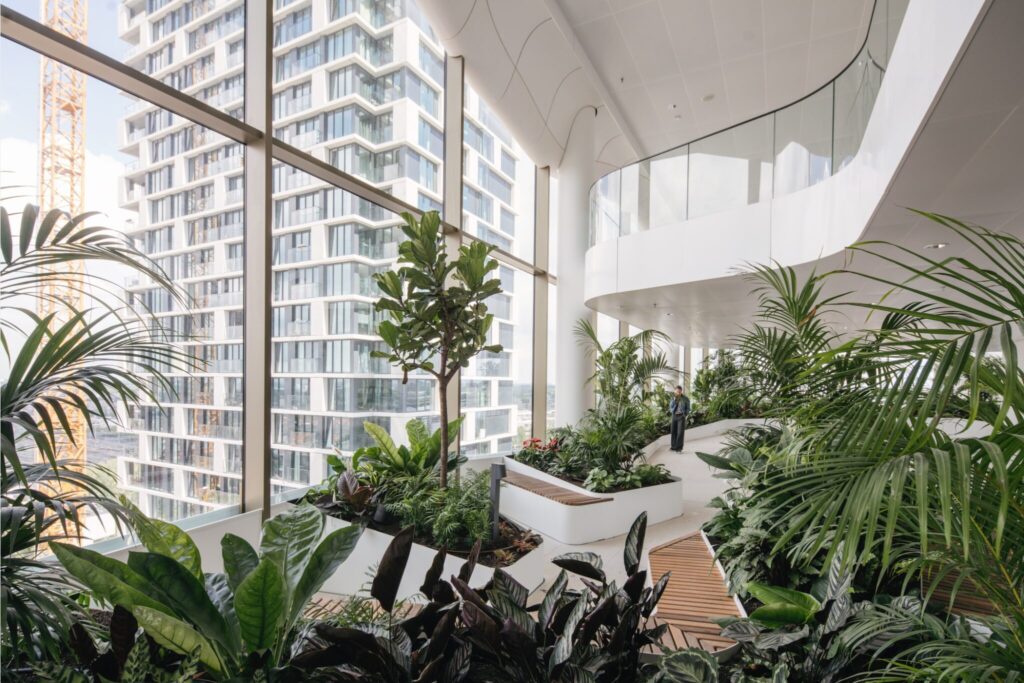
smell
scented gardens
A garden as a ‘space of scent’ should not be underestimated. The smell of herbs is known to have a therapeutic effect on humans’ bodies and brains, this is from the association of the importance of herbs in the medical world. Certain fragrances like jasmine are a natural remedy for ‘depression, anxiety, emotional stress, low libido and insomnia’ as it affects the ‘heart rate, body temperature, stress response, alertness, blood pressure, and breathing’(Hongratanaworakit, 2010).
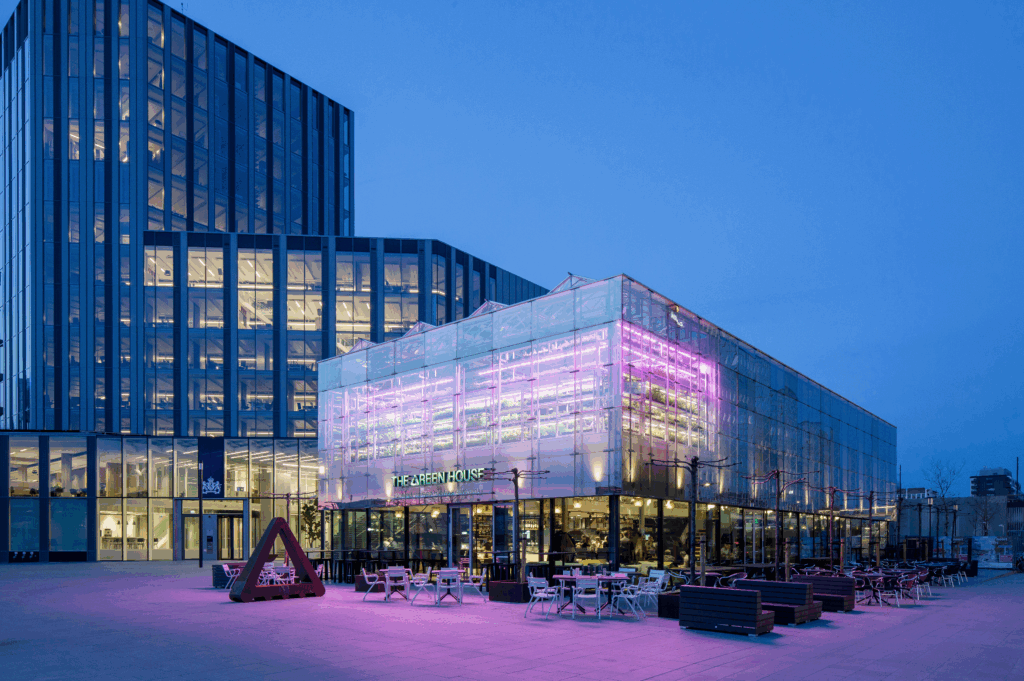
plants and air quality
Several studies have shown that indoor plants enhance air quality, remove pollutants, and reduce bacterial and fungal infection spread through air purification and humidity control. This topic has become even more relevant in recent years after the spread of Covid-19 since high viral contamination rates were found in the air of poorly ventilated areas with recycled air. A recent study has concluded that the role of plants in regulating relative humidity in confined places could be considered an alternative solution that can be used to reduce the viability of Covid-19 (El-tanbouly et al, 2021).
touch
natural material
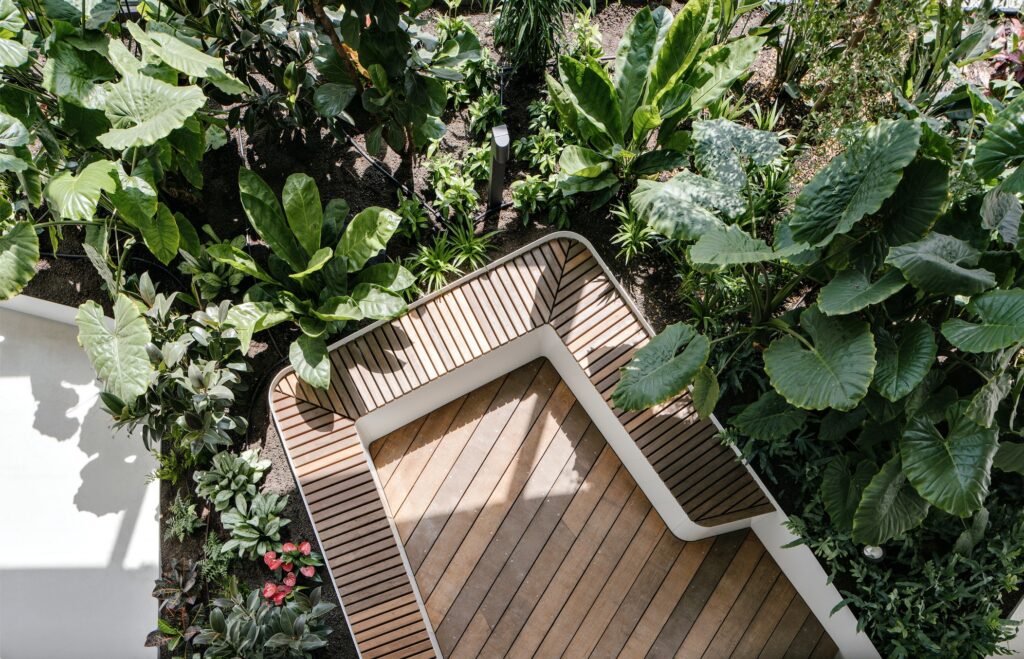
Humans generally prefer natural over artificial materials. Timber is a warm and natural material both to look at and feel, it is a ’sympathetic material’ to touch because it never causes temperature shock. Timber is versatile in texture- strong grain if left unpolished, and is smooth to the touch when polished. Wood also embraces the process of weathering, changing the texture and character of the wood which gives a strong sense of time.
Plants & texture
Our sense of touch can make the garden an exciting place to explore the different textures of plants and flowers. From rough to smooth, waxy to grainy, and soft to prickly, integrating different textures encourages an interaction that goes beyond the familiarity of everyday urban textures. Touching plants is also a great way to practice mindfulness by concentrating on the ‘here and now’. Gardening is therapeutic and stimulating to all senses, especially touch, as it is an act of physically engaging with the nature through the senses.
taste
Materials, colours, texture, and smell
The sense of taste in architecture does not refer to the physical act of eating but rather alludes to architecture’s ability to evoke an oral sensation. It is an abstract concept that is evoked by the stimulation of other senses. There is a subtle transference between colour and taste, tactile and taste, and smell and taste. Materials, according to their textures and colour, stimulate different sensations on the tongue, where ‘certain colour and delicate details generate a specific oral sensation’ (Pallasmaa, 2012). Having said this, the sense of taste in architecture is still very much understudied.
Edible garden
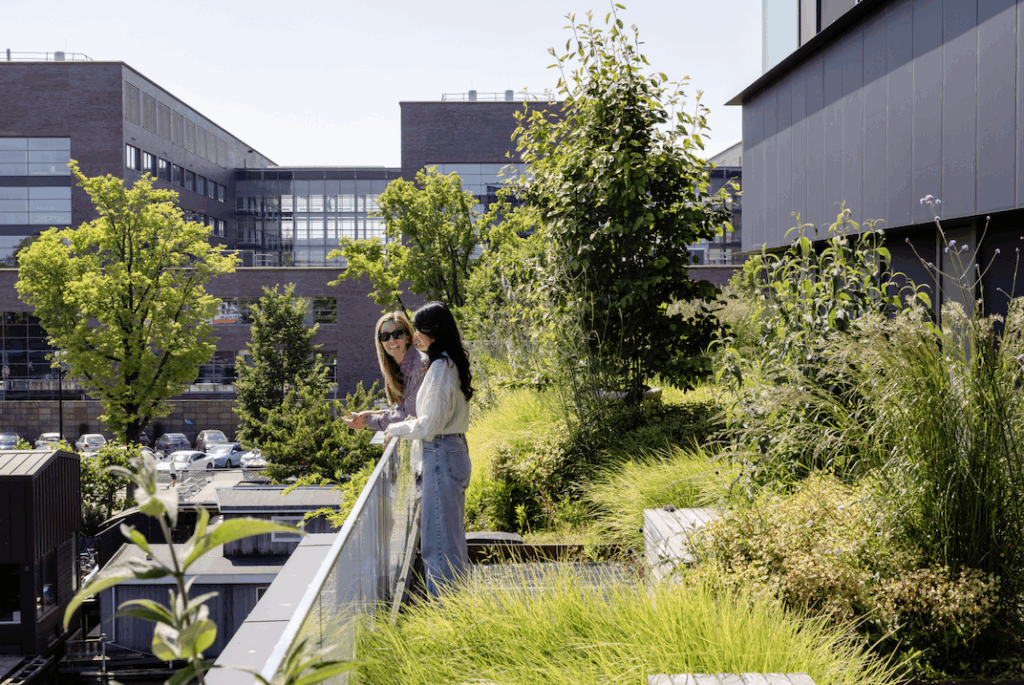
The presence of edible plants is stimulating for the oral sensation and can be a part of the spatial experience. It can contribute to a healthier lifestyle, enhance health and well-being, foster social capital, reduce stress, promote environmental consciousness, as well as reconnect urban dwellers to the origins of food. A study has shown that urban agriculture activities improve the psychological health of participants and exhibit lower depression scores compared to their control groups (Audate et al, 2019).