controlling nature
Beyond the Idea of Nature as Something to Control
by Francesco Carrasso
Rethinking our relationship with nature through landscape architecture
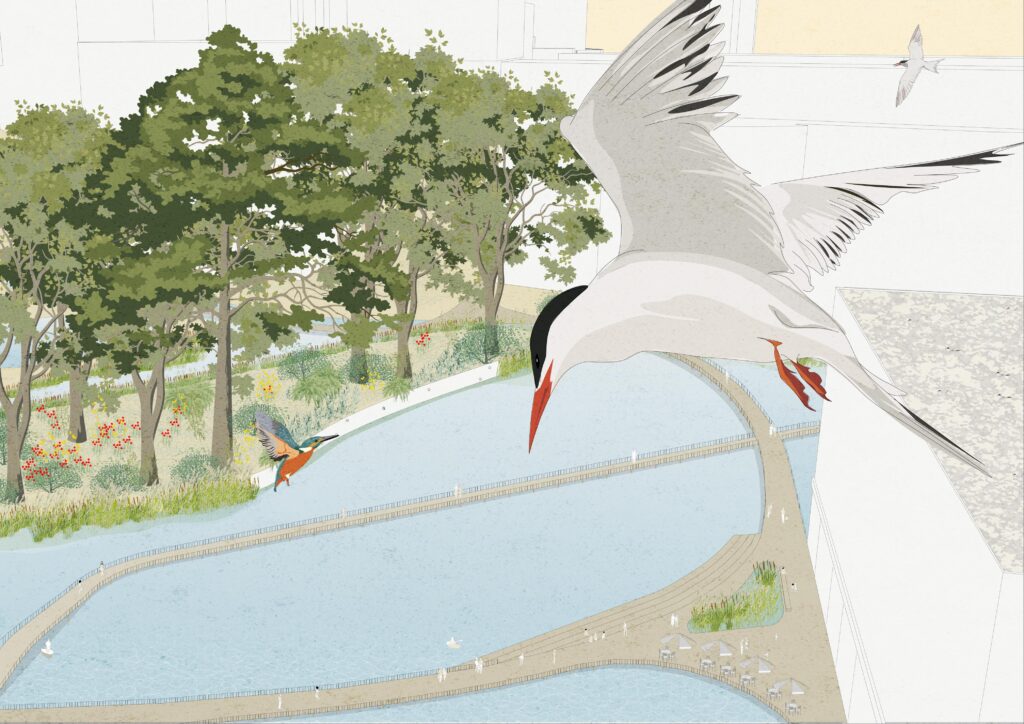
Nature is often understood as a physical world that exists independently of human activity. Yet humans are part of that same world. Therefore the distinction between the natural and the artificial is not as clear as we might think. If we are part of nature, where does nature end and our own intervention begin?
human-nature connection over time
Throughout history, humans have developed different ways of relating to the natural world. We adapted to its conditions, learned from its processes and gradually transformed our surroundings to support our needs. Agriculture, irrigation, settlements and infrastructure have allowed us to live in environments that would otherwise be uninhabitable. In doing so, we also developed an understanding of nature as something that can be observed, managed and controlled.
This relationship has shaped our cities. Walls, drainage systems, dams and other forms of infrastructure have helped us protect ourselves from natural forces and establish predictable living conditions. At the same time, nature is often associated with what lies beyond our control: something unpredictable, sometimes threatening, but also fascinating and beautiful.
There is a contradiction in this perception. We tend to celebrate nature when it offers us tranquillity, beauty or a sense of escape, while distancing ourselves from the processes that challenge our comfort. We welcome trees for their shade, flowers for their colour and water for its reflective qualities, but we are less comfortable with decay, seasonal change, spontaneous growth or the presence of other species that do not fit our expectations or wishes.
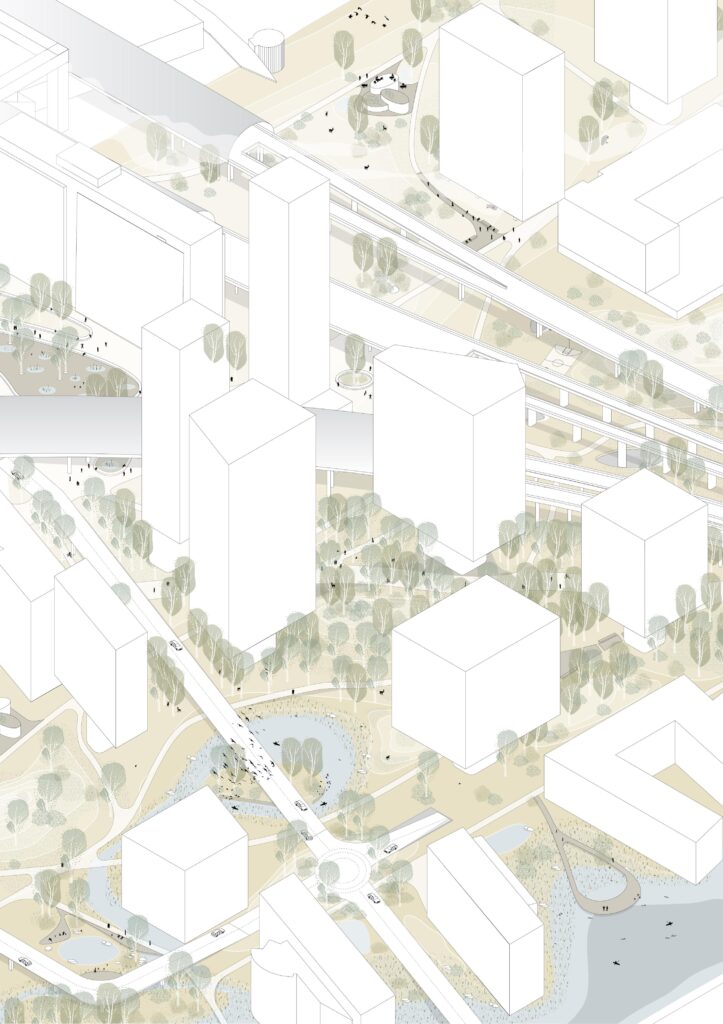
In this sense, our relationship with nature has never been only about controlling its physical presence. It has also been about deciding which aspects of nature we want to experience, and which we prefer to keep at a distance.
Who are we really designing for?
Landscape architecture operates directly within this tension. We shape the ground, manage water, select vegetation and create conditions for people to inhabit outdoor spaces. These interventions are necessary, but they also raise a fundamental question: are we designing nature to fit our needs, or are we designing environments in which human and non-human life can coexist?
A further challenge lies in the aesthetics of nature. As designers, we often approach a landscape by imagining how it will look and how it will be perceived by people. We compose planting schemes, select species for their colours, textures and seasonal qualities, and organise vegetation to create a particular atmosphere or visual experience. There is nothing inherently wrong with this approach; the way we perceive and experience a landscape is an important part of its design. However, it becomes problematic when our aesthetic expectations determine how nature should develop, rather than being informed by the ecological processes that sustain it.
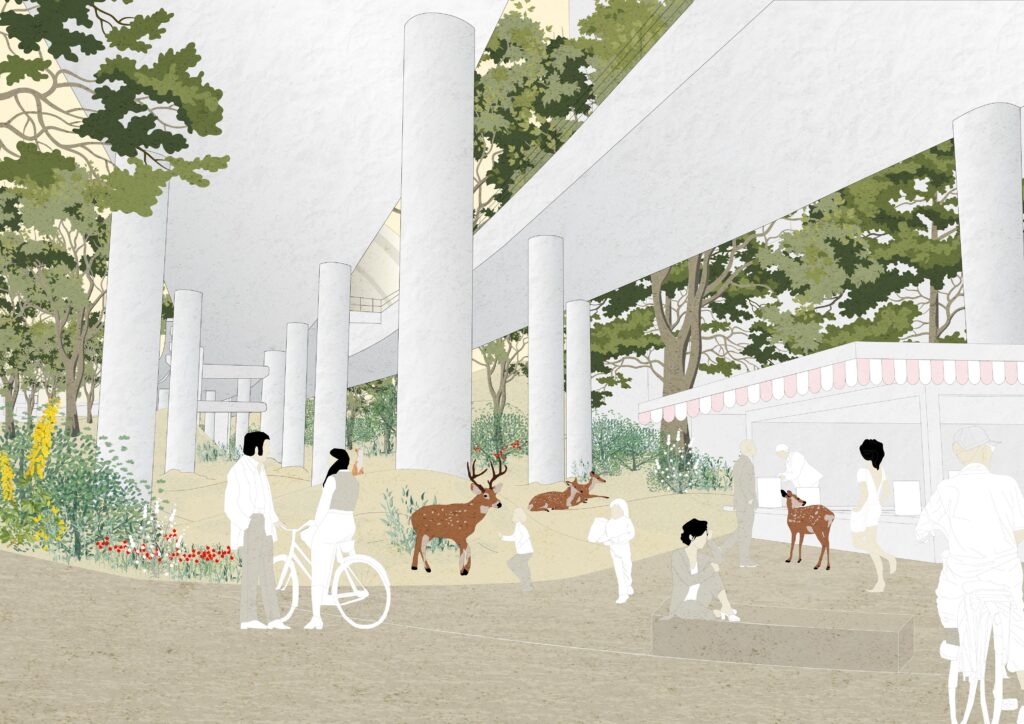
Nature is not a static composition. It is a living system in which plants, animals, soil, water and climate interact, compete and adapt over time. A landscape that appears untidy, unpredictable or less appealing from a human perspective may still provide valuable habitats, support biodiversity and contribute to the functioning of a wider ecosystem. Conversely, a landscape that appears lush, orderly and natural does not necessarily function well ecologically. The visual presence of nature alone is not a reliable measure of its ecological value.
merging aesthetics and ecology
This does not mean that aesthetics and ecological functionality need to be separated. Rather, we need to reconsider how they inform one another. Instead of starting exclusively from the image we want to create, we can begin by understanding the relationships, conditions and processes that allow a landscape to thrive. Which species can coexist? How will vegetation change over time? What habitats can it provide, and how will different organisms interact with one another? By addressing these questions first, we can develop landscapes in which aesthetic qualities emerge from, and are supported by, ecological functionality.
Today, as cities face increasing pressure from climate change, biodiversity loss, heat and water-related challenges, this question becomes particularly relevant. Urban nature can no longer be understood solely as a decorative layer added to buildings and infrastructure. It is part of the systems that make cities liveable: regulating temperatures, retaining rainwater, providing habitats and supporting the wider ecological networks that extend far beyond urban boundaries.
This requires a shift in how we approach design. Rather than treating planting as a finished composition or an object to be maintained in a fixed state, we can understand landscapes as living systems that change over time. Soil, water, vegetation, animals, climate and human activity are interconnected. An intervention in one part of this system inevitably affects the others.
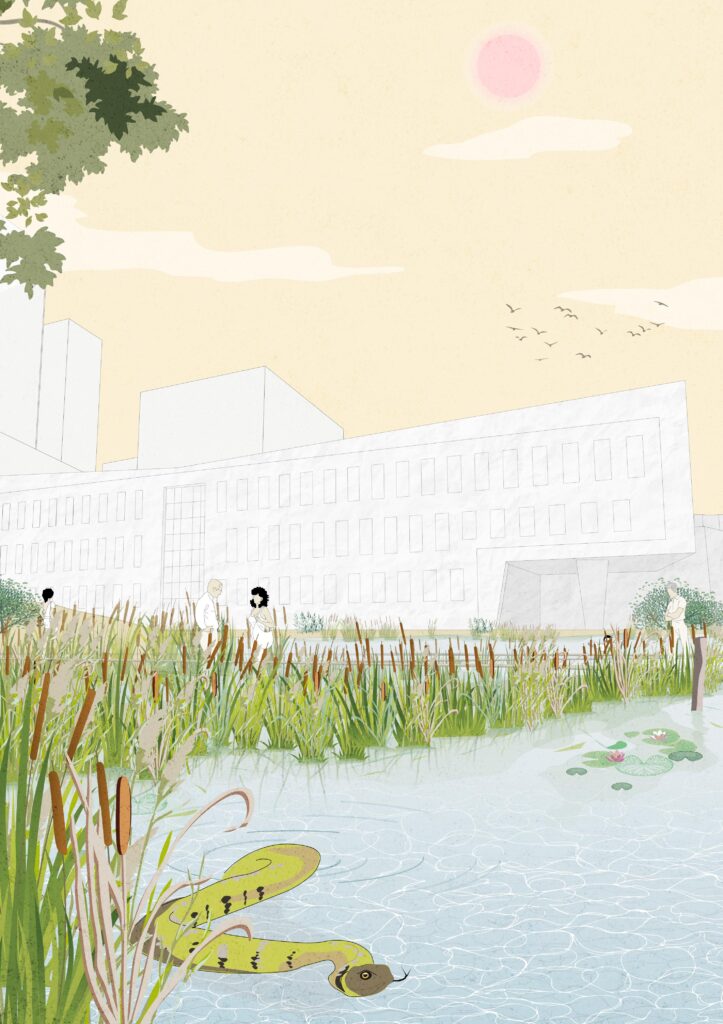
Designing with nature does not mean withdrawing from the process or leaving everything untouched. It means recognising that our control has limits, and that a successful landscape cannot be understood entirely through its initial appearance. It must also be understood through how it develops, how it responds to changing conditions and what forms of life it can support.
For landscape architects, this means moving beyond the idea of nature as an amenity for people. It means creating the conditions for ecological processes to take place within our everyday environments, while acknowledging that these processes do not always follow the order or predictability we might prefer. Our experience of a landscape remains important, but it should not be the primary criterion by which we judge its success. We should design first for the living systems that make a landscape possible, allowing human enjoyment and ecological value to develop together rather than assuming that one must dictate the other.
The challenge is not simply to bring more nature into our cities. It is to reconsider our position within it. Instead of seeing ourselves as external observers who decide where nature belongs and how it should behave, we can begin to understand the city itself as part of a larger, interconnected living system.
Perhaps the most meaningful role of landscape architecture today is not to recreate an idealised image of nature, but to make space for its complexity, functionality and unpredictability. Not to surrender the act of designing, but to use design to establish a more balanced relationship between human life and the living world we are already part of.